

Let me tell you what actually happens six months after you sign that "too good to refuse" purchase order for a budget pouch filler. The machine runs fine for the first two weeks—just long enough to clear your quality check. Then the jams start. Then the seals get spotty. Then your best operator quietly updates their resume because they're tired of fighting the same sensor error every Tuesday morning. When packaging buyers search for "hidden costs cheap premade pouch machines," they aren't looking for a theory. They want to know exactly where their next $10,000 is going to leak out—and how to stop it before it happens. The short answer: low upfront pricing often masks chronic downtime, expensive spare-part chases, poor film sealing consistency, unplanned electrical retrofits, and hidden training cycles.

Cheap pouch fillers often use proprietary, non-standard pneumatic cylinders and custom sensors sourced from no-name factories. When a $2 proximity switch dies on a Friday night, you can't run to a local distributor. Instead, you wait 11 days for air freight from Shenzhen—while your line sits idle. Real maintenance costs aren't just the spare parts. They're the emergency technician call-out fees, the hourly wages of operators standing around, and the stress of missed delivery deadlines. Reliable equipment, on the other hand, uses off-the-shelf industrial components that any local automation shop stocks.
Most budget premade pouch machines use inefficient constant-speed motors and undersized compressors. A 2022 packaging industry report (PMMI) noted that energy-inefficient baggers can consume 38% more compressed air per cycle compared to servo-driven models. For a two-shift operation, that's an extra $2,100–$3,000 annually just in electricity—money you'll never recover.
I've walked through factories where the plant manager complained about "high utility bills" without realizing their entry-level pouch sealer was leaking air from three different fittings. Those micro-leaks add up to a full 5HP compressor running overtime. Over five years, you've paid for a second machine in wasted energy.
A cheap machine doesn't fail catastrophically—it fails subtly. Inconsistent jaw temperature control leads to seal leaks that appear only after product sits on a shelf for two weeks. For food brands, that means customer complaints about "stale crackers" or "sauce leaking in the box."
One coffee roaster in Oregon switched to a budget poucher and saw his return rate jump from 0.8% to 7.3% within 90 days. The problem? Uneven seal pressure across the jaw length. You can't see it during a 10-minute demo; it shows up after 10,000 cycles. Rebuilding customer trust costs far more than the $8,000 you "saved" upfront.
Budget machines often ship with badly translated manuals, no diagnostic software, and touchscreens that require a degree in guesswork. Your experienced line operator suddenly spends 30% of their shift troubleshooting jams instead of monitoring quality. That's not a machine; that's a productivity vampire.
I've seen plant supervisors print out cheat sheets taped to the control panel—hand-drawn diagrams of "push this button in this weird sequence to reset." That's not standard operating procedure; that's a workaround culture. And it leads to higher turnover because nobody wants to be the person responsible for the finicky machine.
The real hidden cost? Lost innovation time. Instead of improving your packaging workflow, your best people are fighting a cheap piece of equipment every single day.
Let's say you want to add gas flushing for extended shelf life, or integrate a checkweigher downstream. Many low-cost premade pouch systems have proprietary communication protocols or no I/O ports at all. You're locked into a dead-end architecture.
One pet treat manufacturer learned this the hard way: after buying 12 cheap machines, they realized none could interface with their new ERP system for real-time production tracking. The retrofit quote? $18,000 per unit—more than the original machine cost. They ended up scrapping three units just to standardize.
This is where evaluating a different approach makes sense. Rather than gambling on stripped-down hardware, many experienced production managers turn to modular, servo-driven platforms that prioritize seal consistency and field-replaceable components.
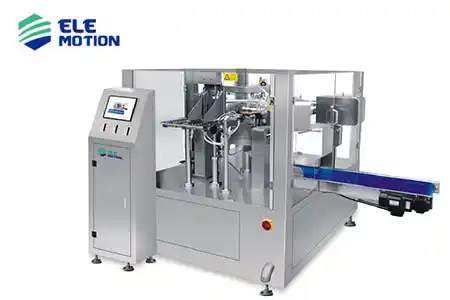
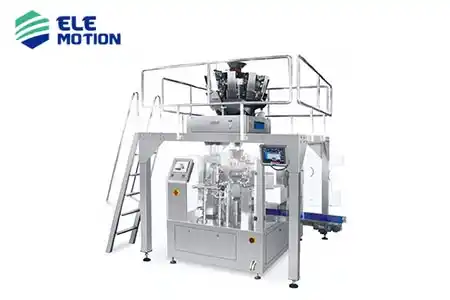
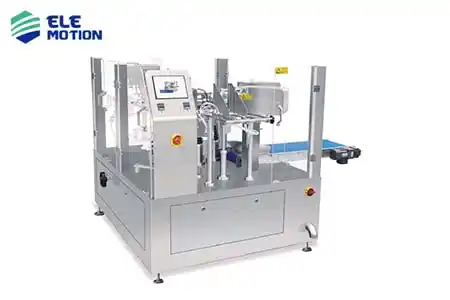
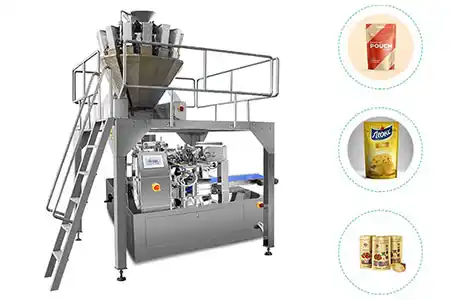
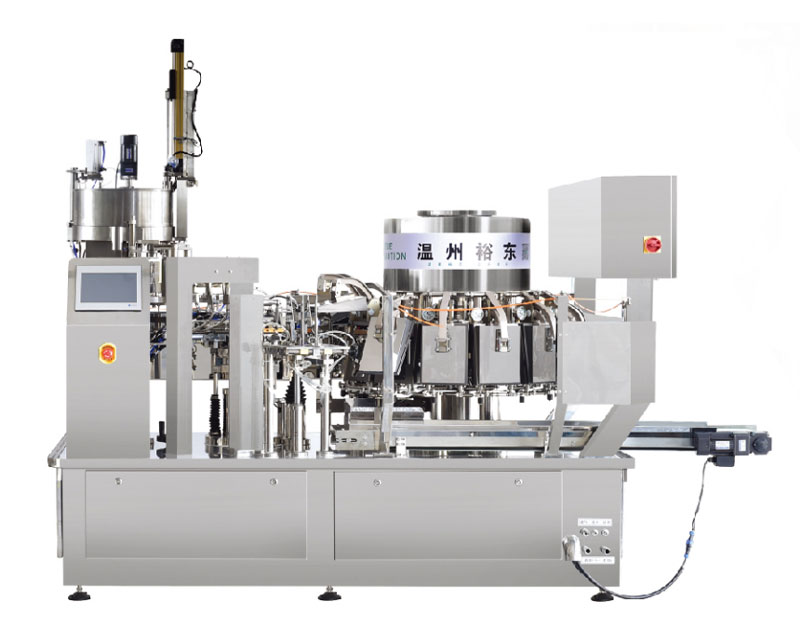
For example, click here to explore the ELEMOTION pouch packing machine architecture – designed with open automation standards, energy-efficient servo motors, and off-the-shelf pneumatic parts you can source anywhere. The upfront number might be higher, but your cost-per-good-bag over five years typically drops by 35–40% compared to budget alternatives.
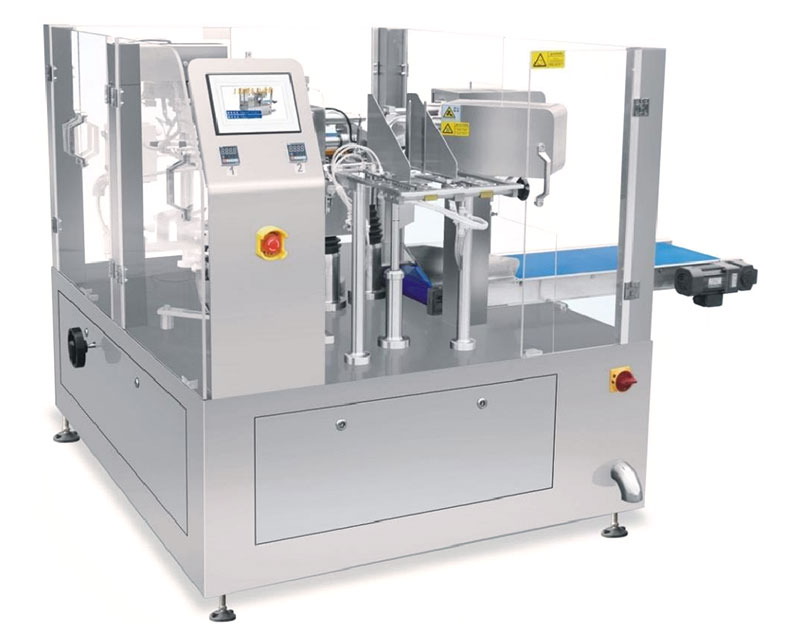
Other machines hide their true costs behind cheap steel and missing sensors. The ELEMOTION platform shows you everything: real-time seal temperature curves, predictive maintenance alerts, and modular upgrade slots for future add-ons like vacuum gas flushing or automatic film splicing. You're not buying a machine; you're buying a production partner.
A rice brand in Thailand needed extra-long seal jaws for 5kg stand-up pouches. A frozen fruit packer required stainless IP69K washdown for daily high-pressure cleaning. A pharmaceutical client asked for HMI in four languages and batch data export to their MES.
The hidden cost of cheap machines is that they say "no" to all of this—or charge you custom-engineering fees that exceed the base price. A truly modular design treats these as standard options, not surprises. You describe your pouch material (laminate, paper, compostable film), fill volume, and target speed; the configuration adjusts accordingly. That's the difference between a commodity and a solution.
Stop comparing price tags. Compare uptime percentage, spare-part lead time, energy use per 1,000 cycles, and how many operators you need per shift. Cheap premade pouch machines hide their true costs in breakdowns, wasted film, angry customers, and exhausted teams.
If you're tired of fighting your packaging line, see the full technical specifications here and request a total-cost-of-ownership simulation for your actual pouch size and daily output. You might be surprised how fast a smarter machine pays for itself.

GET A QUOTE