

Packaging liquids for shipping requires a balance of leak prevention, structural protection, and compliance with transportation regulations (e.g., domestic/international, courier/freight, hazardous/non-hazardous). Below is a step-by-step guide with best practices for safe, reliable shipping:
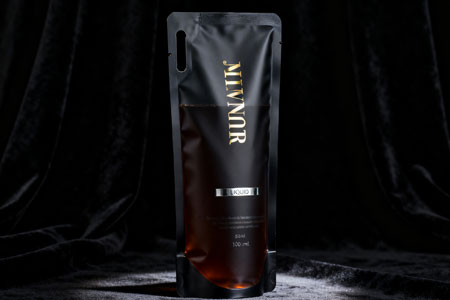
The container holding the liquid is the first line of defense—prioritize durability, compatibility, and leak resistance:
Material Selection:
Plastic (HDPE, LDPE, PET): Ideal for most non-corrosive liquids (e.g., cleaners, oils, non-alcoholic beverages). HDPE is chemical-resistant; PET is lightweight and shatterproof.
Glass: Suitable for food-grade liquids (e.g., sauces, oils) or products requiring inert packaging, but must be reinforced (glass is fragile).
Metal (Aluminum/Steel): For hazardous liquids (e.g., fuels, solvents) or high-pressure substances (ensure it’s UN-certified for dangerous goods).
Key Requirements:
Use new, unused containers (recycled containers may have hidden cracks or residue).
Ensure the container is compatible with the liquid (e.g., avoid plastic for strong acids/bases; use chemical-resistant materials for corrosives).
Leave 5-10% headspace (expansion space) for liquids that may expand due to temperature changes (e.g., water, oils).
Even the best container will fail without proper sealing—double-seal to eliminate leaks:
For Screw-Top Containers:
Wrap the container’s mouth with PTFE tape (Teflon tape) or a rubber gasket to seal threads.
Screw the cap on tightly (use pliers for a firm fit, but avoid over-tightening to prevent cracking).
Add a second seal: Cover the cap with a heat-sealed foil liner (for food/products) or a self-adhesive pressure-sensitive seal (common for bottles).
For Pour Spouts or Dispensers:
Remove the spout and replace it with a solid cap for shipping.
Seal the cap with tape or a shrink wrap band.
Leak Test:
Fill the container with the liquid, seal it, and invert it for 5-10 minutes.
Place it on a paper towel to check for drips—if leaks occur, reinforce the seal or replace the container.
Add a secondary barrier to contain spills if the primary container fails:
Use thick, puncture-resistant plastic bags (e.g., 4-6 mil polyethylene bags, self-sealing “leak-proof” bags).
For large containers (1+ gallons/liters), use two layers of bags (double-bagging).
Squeeze out excess air from the bag before sealing to prevent the container from shifting inside.
For glass containers, wrap the container in a layer of bubble wrap before placing it in the bag (adds cushioning and contains shards if broken).
Liquids are heavy and prone to shifting—cushion the container to absorb impacts during transit:
Wrap the Bagged Container:
Use bubble wrap (2-3 layers), foam sheets, or pearl cotton (EPE) to fully encase the container. Focus on vulnerable areas (e.g., corners, cap).
For glass bottles, use custom foam inserts or molded pulp packaging (snug fit to prevent movement).
Fill the Outer Box:
Choose a corrugated cardboard box rated for the weight (e.g., 200-lb test for 10-20 lbs; 32 ECT for heavier loads).
Line the box with packing peanuts, air pillows, or crumpled kraft paper to fill gaps—no empty space means less shifting.
Place the cushioned container in the center of the box, away from walls (use extra padding on all sides).
Box Size: Use a box that’s 2-3 inches larger than the cushioned container (enough space for padding but not too much to allow movement).
Seal the Box:
Use heavy-duty packing tape (3M Scotch 371 or equivalent) to seal all seams (top, bottom, and sides).
Apply tape in a “H” or “X” pattern for extra strength—avoid masking tape or duct tape (they lose adhesion in temperature changes).
Reinforcement for Heavy Loads:
For containers over 20 lbs, double-box (place the sealed inner box inside a larger outer box with additional padding).
Add corner protectors to the outer box to prevent crushing.
Mandatory Labels:
Clearly mark the box with “LIQUID”, “FRAGILE”, and “THIS SIDE UP” (use bright, bold stickers).
Include full shipping information (recipient name, address, phone number; return address).
Hazardous Liquids (UN Certified):
If shipping dangerous goods (e.g., fuels, solvents, corrosives), use UN-approved packaging (check UN numbers: e.g., UN1263 for paints, UN1993 for flammable liquids).
Attach a hazard class label (e.g., flammable, corrosive) and include a Material Safety Data Sheet (MSDS/SDS).
Comply with carrier rules (e.g., FedEx, UPS, DHL have specific hazardous materials policies; international shipping requires customs declarations).
Food-Grade Liquids:
Label as “FOOD CONTACT” or “EDIBLE” if applicable.
Include expiration dates (if perishable) and storage instructions (e.g., “Keep Refrigerated”).
Perishable Liquids (e.g., milk, juice, fresh sauces):
Use an insulated cooler box with frozen gel packs or dry ice (follow dry ice shipping rules: label “DRY ICE” and include weight).
Ship via expedited services (24-48 hours) to avoid spoilage.
Corrosive/Flammable Liquids:
Only use UN-certified packaging and follow local/ international regulations (e.g., IATA for air shipping, IMDG for sea freight).
Avoid mixing different hazardous liquids in the same box.
Large Volumes (5+ gallons/liters):
Use rigid plastic drums or metal cans with locking lids.
Weight Test: Ensure the total package weight complies with carrier limits (e.g., USPS has a 70-lb max for domestic shipping).
Shake Test: Gently shake the box—if you hear movement, add more padding.
Carrier Guidelines: Confirm with your shipping provider (e.g., FedEx, UPS, postal service) for specific rules (e.g., liquid volume limits for air shipping: typically 3.4 oz/100 ml for
carry-on, but more for ground).
Double-seal the primary container to prevent leaks.
Double-bag for secondary spill protection.
Cushion thoroughly to absorb impacts.
Use a sturdy outer box and seal tightly.
Label clearly (liquid, fragile, orientation) and comply with regulations.
By following these steps, you’ll minimize the risk of leaks, breakage, and delays—ensuring your liquid products arrive safely at their destination.


GET A QUOTE