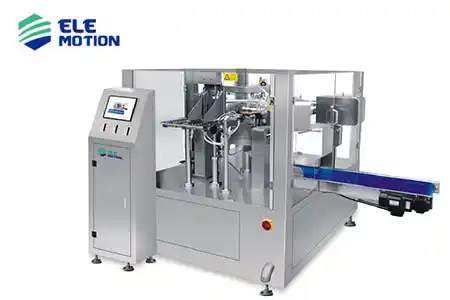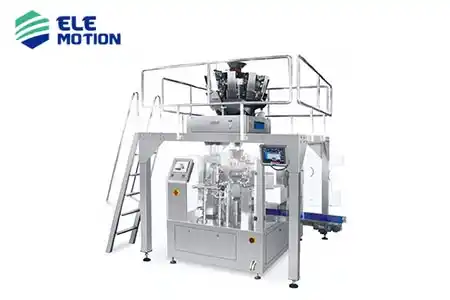


If you have walked through a grocery store or supermarket recently, you have probably noticed something: flexible pouches are everywhere. Snacks, coffee, pet food, liquid detergents, and even pharmaceuticals are increasingly packaged in stand‑up pouches, flat pouches, and zippered bags. Behind this shift is a piece of equipment that has become essential for many production lines—the premade pouch packing machine.
But why exactly are these machines gaining so much attention? The short answer is that premade pouch packing machines offer a combination of production efficiency, packaging flexibility, brand presentation quality, and adaptability to changing consumer preferences that other packaging formats struggle to match. This article breaks down the key factors driving the growing popularity of premade pouch packaging equipment.
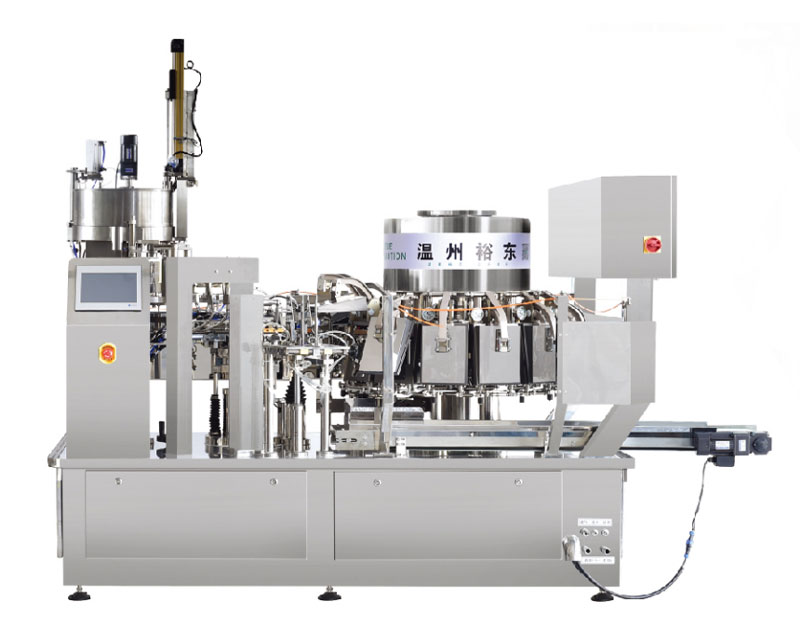
A premade pouch packing machine is an automated system that takes finished, empty pouches—already manufactured, printed, and cut—and performs four primary operations: feeding, opening, filling, and sealing. Unlike form‑fill‑seal (FFS) systems that create bags from a roll of film, premade pouch machines work with pouches that have been produced offline by a separate converting process.
(https://youtu.be/jtK4Lg4z0Fw?si=DGNHs0attrOmteHb)
The machine picks each pouch from a magazine, opens it, fills it with the product, and seals the top. This seemingly simple sequence enables a wide range of capabilities that manufacturers find increasingly valuable. For detailed available configurations and technical specifications of pouch bag making machine, review the product category page.
Perhaps the single biggest reason for the rising popularity of premade pouch machines is their extraordinary flexibility. A premade pouch machine can handle virtually any pouch style available from a bag converter—stand‑up pouches, flat pouches, zipper bags, spouted pouches, gusseted bags, four‑side seal bags, and even custom-shaped pouches.
For manufacturers who package multiple product lines or frequently launch new products, this flexibility is invaluable. Instead of investing in different machines for different bag types, a single premade pouch machine can accommodate a broad range of formats. Changeovers between pouch sizes and styles can be completed in as little as 10 to 20 minutes on some models, minimizing downtime and maximizing production uptime.
This flexibility is particularly important for co‑packers and contract manufacturers who serve multiple brands with different packaging requirements. It also benefits emerging brands that may need to test different pouch formats before committing to a final design.
Premade pouches offer a level of visual quality that is difficult to achieve with form‑fill‑seal systems. Because the pouches are manufactured separately, they can be printed with high‑definition graphics, finished with matte or gloss coatings, and produced with precise registration. The result is a package that stands out on retail shelves.
Stand‑up pouches, in particular, have become a preferred format because they offer excellent shelf presence. They can stand upright on shelves, display brand messaging prominently, and include features like resealable zippers that add consumer convenience. Premade pouch machines are specifically designed to handle these finished pouches without compromising the quality of the print or the integrity of the seals.
In competitive consumer markets, packaging is often the first—and sometimes the only—point of differentiation between products. Brands that invest in premium premade pouches gain a significant advantage in attracting consumer attention.
Another factor driving adoption is the exceptionally low waste rate of premade pouch machines. These machines operate on a simple principle: no bag, no fill. If a pouch fails to open properly, the product is not dropped, and the bag is not sealed. The failed pouch can simply be removed and replaced, resulting in virtually zero scrap from misfeeds.
This contrasts with form‑fill‑seal systems, where film waste can accumulate during start‑up, changeovers, and when the machine rejects improperly formed bags. Over time, the material savings from a premade pouch machine can be substantial—particularly for high‑value products where product waste is costly.
Additionally, because premade pouches are manufactured by specialized converters, the pouch‑making process itself can be optimized for minimal material usage. Converters can produce pouches with precise dimensions and minimal trim waste, further reducing the overall environmental footprint.
Modern consumers expect convenience features in their packaging—and premade pouch machines are uniquely suited to handle them. Zipper closures, spouts, tear notches, hang holes, and resealable tracks are all features that can be incorporated into premade pouches during the converting process.
A premade pouch machine can handle these complex pouches without requiring major modifications to the filling and sealing process. The machine simply picks, opens, fills, and seals—regardless of whether the pouch has a zipper, a spout, or both.
This capability is especially valuable in the food and beverage industry, where resealable packaging has become a consumer expectation rather than a premium feature. Products like coffee, snacks, pet food, and dried fruits all benefit from resealable pouches that maintain freshness after opening.
Sustainability is no longer a niche concern—it is a mainstream business imperative. Premade pouch machines are well‑positioned to handle the transition to more sustainable packaging materials.
Because the pouches are manufactured offline, converters can use a wide range of materials, including recyclable films, compostable laminates, and paper‑based structures. The filling and sealing process on a premade pouch machine is gentle enough to handle these materials without compromising seal integrity or package appearance.
This adaptability is increasingly important as regulations tighten and consumer demand for sustainable packaging grows. Brands that can demonstrate a commitment to reducing plastic use and improving recyclability gain a competitive edge—and premade pouch machines make that transition more achievable.
Modern premade pouch packing machines are highly automated, with advanced servo control systems, PLC touchscreen interfaces, and integrated sensors for quality control. These features enable consistent, high‑speed operation with minimal manual intervention.
Depending on the model and product characteristics, premade pouch machines can achieve speeds of 60 to 80 bags per minute or more. This throughput, combined with automated functions like bag feeding, opening, filling, and sealing, significantly reduces labor requirements compared to manual or semi‑automated packaging methods.
For manufacturers facing labor shortages or rising wage costs, the labor‑saving potential of premade pouch machines is a compelling reason to invest. The machines can run for extended periods with minimal supervision, allowing operators to focus on quality monitoring and line optimization rather than repetitive manual tasks. Explore the product category to learn more about available automation features.
In the food, pharmaceutical, and health product industries, hygiene is non‑negotiable. Premade pouch packing machines are designed with food‑grade materials and sanitary construction.
Parts that come into contact with food or packaging materials are typically made of 304 stainless steel or other materials that meet food hygiene requirements. This construction ensures compliance with strict hygiene standards and makes the equipment easy to clean and maintain.
The closed‑system operation of many premade pouch machines also minimizes exposure to contaminants, which is particularly important in sectors where product purity is critical.
To understand why premade pouch machines are gaining popularity, it helps to compare them with the main alternative: form‑fill‑seal (FFS) systems.
| Factor | Premade Pouch Machine | Form‑Fill‑Seal (FFS) |
|---|---|---|
| Pouch styles | Virtually unlimited—stand‑up, flat, zippered, spouted, gusseted, custom shapes | Limited to what can be formed from film on‑site |
| Print quality | High‑definition, pre‑printed by specialist converters | Limited by in‑line printing capabilities |
| Changeover time | 10–20 minutes for many models | Typically longer, with more film threading and adjustment |
| Material waste | Near‑zero from misfeeds | Film waste during start‑up and changeovers |
| Pouch features | Handles zippers, spouts, tear notches with ease | Limited or requires complex add‑on systems |
| Capital investment | Moderate | Can be lower for basic configurations |
| Ongoing pouch cost | Higher | Lower |
While premade pouch machines offer many advantages, they are not the right choice for every application. Consider the following factors when evaluating whether a premade pouch machine fits your production needs:
For operations that require high throughput, specific models such as the YD-160S are engineered to deliver consistent performance at speeds up to 80 bags per minute.
A: Premade pouch machines are suitable for a wide range of products, including granules, powders, liquids, sauces, nuts, snacks, frozen foods, pharmaceuticals, and daily chemical products. The specific suitability depends on the product's flow characteristics and the filling system used.
A: Premade pouch machines typically operate at 30–80 bags per minute depending on the model and product. VFFS machines can sometimes achieve higher speeds for simple bag formats, but premade machines offer greater flexibility in pouch styles and features.
A: Yes, premade pouches generally cost more per unit than film rolls because they involve an additional converting step. However, this cost difference must be weighed against the benefits: zero waste from misfeeds, superior print quality, complex features like zippers, and reduced capital investment in pouch‑making equipment.
A: Most premade pouch machines require a changeover to switch between different pouch sizes. However, changeovers can be completed relatively quickly—typically 10 to 20 minutes on well‑designed machines. Some advanced models offer automatic width adjustment to streamline the process.
A: Routine maintenance includes regular cleaning of food‑contact parts, inspection and replacement of sealing components, lubrication of moving parts, and calibration of sensors and filling systems. The specific maintenance schedule depends on the machine model and operating conditions.
A: Some premade pouch machines can be configured for vacuum packaging applications. However, standard premade pouch machines without vacuum capability are suitable for products that do not require vacuum sealing, such as snacks, nuts, and puffed products.
The growing popularity of premade pouch packing machines is not a coincidence. It reflects fundamental shifts in the packaging industry: the demand for flexible, high‑quality packaging; the need to accommodate complex features like zippers and spouts; the push toward sustainable materials; and the ongoing pressure to reduce labor costs and material waste.
For manufacturers weighing their packaging equipment options, the question is no longer whether premade pouch machines are a viable choice—but whether they are the right choice for their specific products, volumes, and brand requirements.
If you are evaluating premade pouch packaging for your production line, understanding your product characteristics, pouch requirements, and production volume is the essential first step. Review the available configurations and technical specifications to determine which machine model aligns with your operational needs.
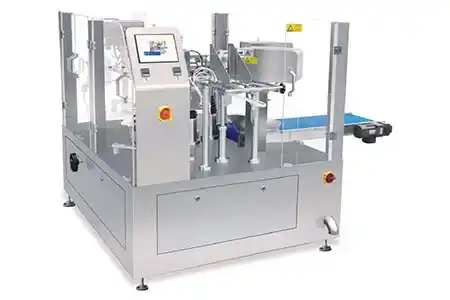
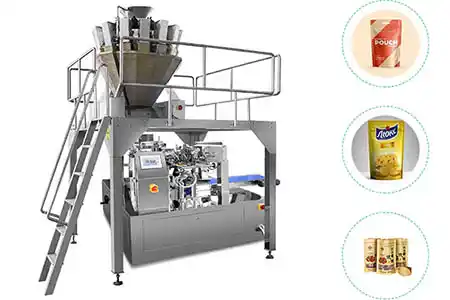
ELEMOTION offers a range of premade pouch packing machines designed for various production scales and applications. Explore the product category to learn more about available configurations and technical specifications.

GET A QUOTE