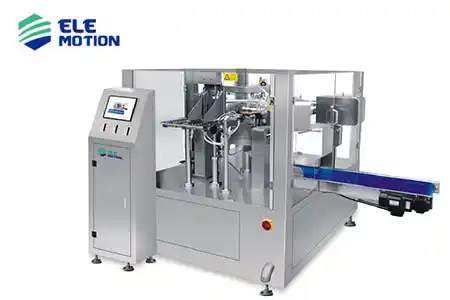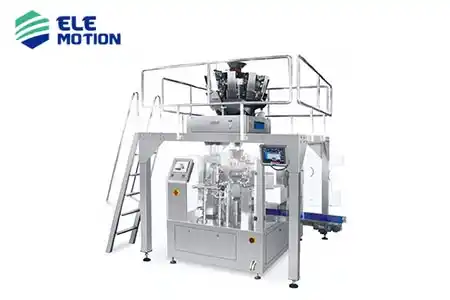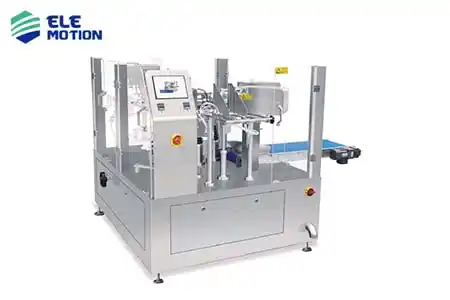


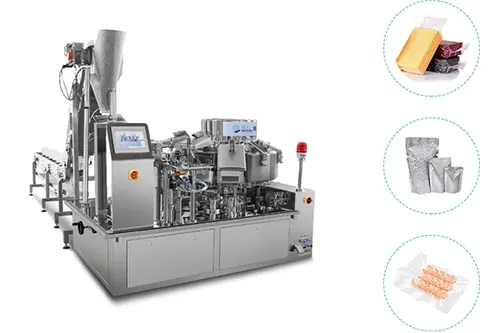
If you’re searching for an automatic vacuum packaging machine, here’s what actually matters: not just how fast it seals, but how reliably it keeps oxygen out, how well it handles your specific product (meat, powder, liquid, or electronics), and how much it saves you on wasted inventory and return claims. A properly sized automated vacuum sealer can reduce oxygen levels to below 0.5%, extend refrigerated shelf life from days to weeks, and cut annual spoilage‑related costs by up to 5% of total food revenue—right when global food waste is projected to hit £400 billion in 2026. What buyers truly need is a machine that matches their throughput, product properties, and budget, while being easy to clean, integrate, and maintain over a long service life.
Food spoilage isn’t just an environmental headache—it’s a direct profit‑drain. Avery Dennison’s latest report found that food waste now consumes around 33% of total revenues across the food retail supply chain every year. For an average U.S. household of four, the EPA estimates wasted food costs roughly 2,913annually. And for businesses, the stakes are higher: over 50% of retailers cite poor inventory control and overstocking as major waste drivers, with meat (50%), produce (45%), and baked goods (28%) topping the list of hardest‑to‑manage categories.
Automating your packaging line with an automatic vacuum packaging machine tackles that leakage at the source. By stripping out oxygen, you slow bacterial growth and oxidation, keep product appearance and flavor intact, and give yourself a longer selling window. That means fewer markdowns, fewer returns, and more satisfied distributors.
The numbers don’t lie. The global vacuum packaging machines market was valued at USD 4.9 billion in 2024 and is projected to reach USD 8 billion by 2034 (CAGR 5.1%). Even more telling: the automatic commercial segment alone generated USD 878 million in 2025 and is expected to climb to USD 1.278 billion by 2032 (CAGR 5.6%). Chamber‑type vacuum sealers, the workhorses of industrial food packaging, already account for over 33% of the market (USD 5.14 billion in 2026).
What’s driving this? Rising e‑commerce food sales, longer cold chains, stricter hygiene regulations, and consumer demand for “fresh‑looking” packaged goods. If your facility still uses manual sealing or old external nozzle machines, you’re already on the losing side of efficiency.
Don’t be fooled by shiny stainless steel exteriors. The real work happens inside the vacuum chamber. Under GB/T 9177‑2004 (the Chinese national standard for vacuum and gas‑flush packaging machines), a compliant unit must achieve a lowest absolute pressure of no more than 1 kPa within a specified time (30–60 seconds depending on chamber volume) and maintain a pressure rise of less than 0.8 Pa/s during a 1‑minute leak test.
Professional industrial grade equipment typically reaches ‑0.08 MPa to ‑0.1 MPa—close to a true vacuum. At that level, oxygen drops below 0.5%, which is the threshold needed to effectively inhibit aerobic bacteria and oxidation reactions. Compare that to cheap external sealers that achieve only ‑0.07 MPa, leaving 5‑8% residual oxygen and allowing pathogens like Pseudomonas or Listeria to grow on meat surfaces in under a week.
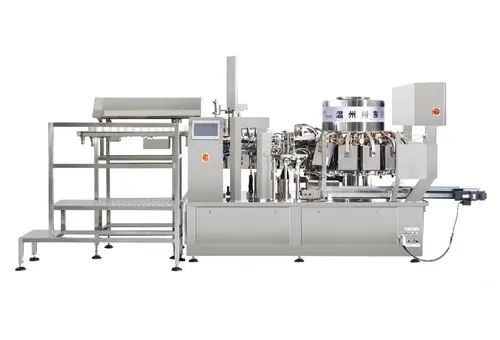
Not all vacuum packaging needs are the same. A soft, fragile berry demands gentle vacuuming to avoid crushing. A liquid‑heavy marinade needs a chamber machine that keeps fluids inside the bag (external sealers often suck out the liquid, contaminating the seal). A high‑volume meat plant needs dual‑chamber alternating operation that can complete 200‑400 seals per hour, while a pharmaceutical lab might prioritize ultra‑clean sealing with an optional nitrogen flush.
That’s why customization and flexible settings matter more than raw specs. Features like adjustable vacuum levels, multiple‑track seal bars (8‑10 mm width, ≥20 N/15 mm tensile strength), and program memory for 10‑20 different product profiles turn a generic machine into a tailored production tool.
ELEMOTION is a name that stands out in high‑end intelligent packaging. Founded in 2016, this high‑tech enterprise has grown into a global packaging system supplier with a 355‑acre smart factory in Wuhu, China. Over 500 employees serve more than 5,000 enterprise clients, with cumulative equipment sales exceeding 10,000 units.
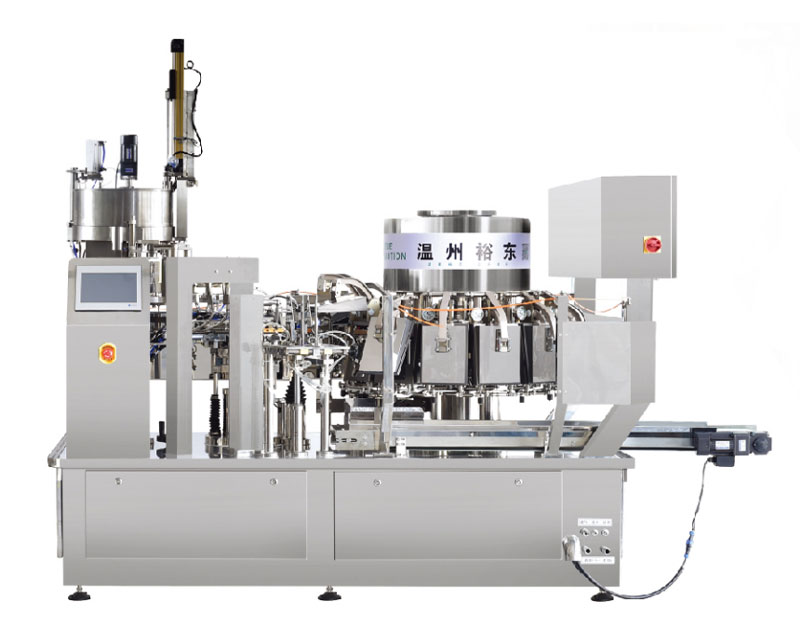
What sets ELEMOTION apart? Its proprietary dual‑turntable fully mechanical drive structure. This innovation pushed machine speeds from the industry average of 60 bags/minute all the way up to 180 bags/minute—an international first‑tier achievement. For a busy meat processing or ready‑meal factory, that’s the difference between one shift and three.
In the world of industrial packaging, paperwork equals trust. ELEMOTION machines are manufactured in strict compliance with GMP standards and have earned CE certification, ISO9001 quality management, and GB/T27922 after‑sales service certification. The company holds over 130 patents and intellectual property rights, including the unique dual‑rotary fully automatic vacuum sealing system. Recognized as both a High‑Tech Enterprise and a Specialized and Innovative “Little Giant” in Anhui Province, ELEMOTION invests heavily in continuous R&D—exactly what you want from a long‑term packaging partner.
Fresh meat is the toughest test. Oxygen triggers myoglobin discoloration (that ugly brown/gray shift), bacterial growth (slime and off‑odor), and fat rancidity. A chamber‑style automatic vacuum packaging machine removes air from the entire chamber, not just the bag, keeping juices and marinades inside while achieving deep vacuum levels up to 28‑29″Hg—far superior to external suction machines (typically 24‑26″Hg). Test data from independent labs shows that properly vacuum‑sealed ground beef stored at 0‑4°C can remain safe and visually appealing for 15‑21 days, compared to just 3‑5 days for traditional overwrap packaging.
Restaurant chains and meal‑kit companies rely on consistent bag sealing to prevent leaks during cooking. Double‑seal bars and adjustable sealing pressure (0.3‑0.8 MPa) produce two parallel sealing lines that cut through moisture and oil without leaving gaps. One European sous‑vide equipment distributor reported a 40% reduction in customer complaints after switching to our recommended automated bagging lines.
For non‑food applications—circuit boards, medical devices, and sensitive chemicals—residual oxygen must be nearly zero to stop corrosion or oxidation. Many ELEMOTION models support gas flushing (nitrogen or CO₂ injection) before sealing, achieving residual oxygen levels below 0.3%. They also meet cleanroom compatibility requirements and can be integrated with vision inspection and data traceability systems for full Industry 4.0 compliance.
External sealers (often sold on Amazon for under $500) have their place for dry goods like nuts or coffee beans. But they struggle with moisture. When you try to seal wet meat or soup, the nozzle tends to suck liquid into the vacuum pathway, causing messy cleanups, failed seals, and micro‑leaks that let air back in. They also achieve lower peak vacuum (around 24‑26″Hg) and have slower cycle times. Over a year of daily use, the cost of re‑sealed bags, downtime, and wasted product often exceeds the initial savings.
| Feature | Single‑Chamber | Dual‑Chamber | Continuous Thermoforming |
|---|---|---|---|
| Typical price | 800‑800‑4,000+ | 3,000‑3,000‑7,500 | $250k+ |
| Output (bags/hour) | 60‑120 | 200‑400 | 600‑2000+ |
| Liquid handling | Moderate | Excellent | Excellent |
| Footprint | Countertop | Floor‑standing | Production hall |
| Best for | Small butchers, startups | Mid‑size processors, restaurants | High‑volume industrial plants |
A well‑chosen automatic vacuum packaging machine sits in the “sweet spot” for most food, pharma, and e‑commerce businesses: dual‑chamber alternating operation doubles your throughput compared to single‑chamber units, while staying affordable and flexible. For warehouses doing 200‑400 bags/day, the annual bag savings alone can be $8,700 when switching from external to chamber machines, thanks to using cheaper smooth‑surface chamber pouches instead of textured nozzle bags.
One customer in the Midwest US shared his story: after two “bargain” vacuum sealers died within six months, he calculated he had lost over $12,000 in spoiled meat during the downtime plus the cost of replacement units. He finally purchased an ELEMOTION automated dual‑chamber unit. Two years later, the machine is still running 12 hours a day, the seal consistency has cut return rates by 60%, and the ROI calculation came out to four months. That’s not luck—that’s engineering.
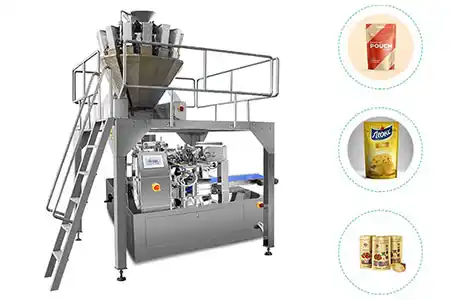
Generic machines work for generic products. But if your business has unique packaging needs—odd bag sizes, tricky moisture levels, or high‑speed line integration—off‑the‑shelf won’t cut it. ELEMOTION offers tailor‑made solutions: from conveyor‑docking and custom sealing‑bar dimensions to remote diagnostics and multi‑language HMI programming. The company’s service network spans 14 Chinese provincial service points plus overseas distributor partners. That means you get more than a metal box with a pump—you get a packaging system that adapts as you grow.
You’ve seen the numbers: global food waste is skyrocketing, markets are expanding at 5‑6% CAGR, and your competitors are already automating their sealing operations. Staying with manual or low‑end external machines isn’t “saving money”—it’s bleeding profit, customer trust, and shelf space.
An automatic vacuum packaging machine from ELEMOTION delivers:
Up to 180 bags/minute with proprietary dual‑turntable technology
CE, GMP, and ISO9001 certified reliability
Over 130 patents backing real innovation
Customizable vacuum level, seal width, gas flush, and line integration
24/7‑rated oil‑lubricated rotary pumps for heavy duty use
A global support network backed by 5,000+ satisfied enterprises
Stop losing money to spoilage. Start sealing with confidence.
Explore ELEMOTION’s automatic vacuum packaging machine series
Request a customized quote or ask for a free ROI calculator tailored to your production volume.

GET A QUOTE