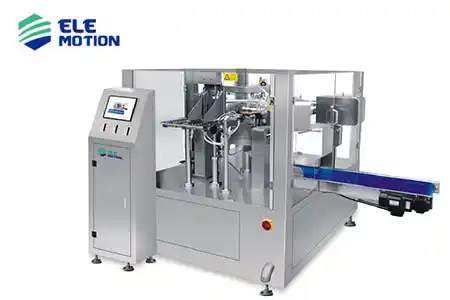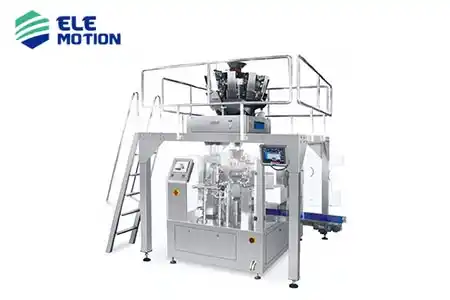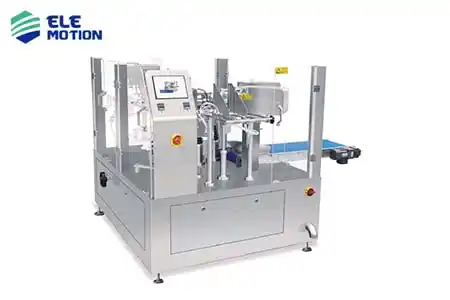


Choosing a pouch packaging machine for your production line is never just about picking the one with the highest speed rating. I’ve seen too many factories end up with equipment that struggles with their actual pouch materials, causes frequent downtime, or simply doesn’t fit their workspace.
[Image: Operator inspecting seal integrity on a running pouch packing line]
(https://youtu.be/HrSk7cyughc?si=VTzTO80Wee7vBHjC)
To help you avoid these headaches, here are five practical tips based on real-world experience and industry standards. Each tip focuses on what truly matters when you’re comparing different models — from sealing consistency to long-term maintainability.
The sealing mechanism is the heart of any pouch packaging machine. But not all sealers perform equally on different materials. A unit that works perfectly for standard polyethylene pouches may fail on laminated foil structures or vacuum bags.
Before you evaluate any equipment, take a close look at your pouch specs: thickness, inner coating, and the presence of zippers or tear notches. Ask potential suppliers how their machine’s jaw temperature control, pressure distribution, and cooling cycle handle your specific material.
For high-barrier or vacuum applications, you’ll want a machine that offers precise temperature regulation and independently adjustable sealing and cooling timers. Some advanced systems also include servo-driven jaws that adapt to pouch thickness variations — a feature worth prioritizing if you run multiple SKUs.
Nothing kills production efficiency like a 45-minute changeover between pouch sizes. Many standard machines require tools and mechanical adjustments to swap forming tubes or jaw heights. That’s acceptable for single-product lines, but today’s flexible packaging demands better.
Look for a quick‑change premade pouch system that features:
Tool‑less width and height adjustments
Digital recipe storage for different pouch dimensions
Motorized jaw opening with automatic positioning
I’ve worked with plants that reduced changeover from 30 minutes to under 5 minutes simply by choosing modular equipment with servo-driven format adjustments. That extra upfront cost paid for itself within two months of reduced downtime.
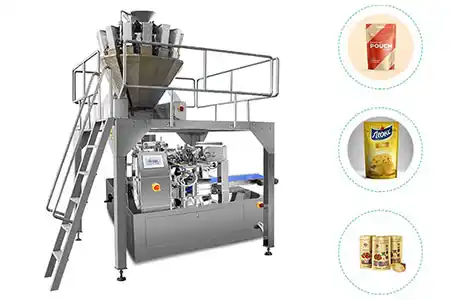
If you’re unsure what level of flexibility your future orders might require, consider a reliable pouch packing solution with modular changeover parts — you can always add more format kits later without replacing the whole line.
When you need a vacuum function — especially for food, coffee, or electronic components — don’t trust theoretical pump displacement numbers alone. Actual residual oxygen levels, cycle consistency, and leak rates matter more.
I recommend asking the supplier for a factory acceptance test using your actual pouches and product samples. Watch for:
Vacuum degree stability
Seal strength after vacuum — test samples with a tensile puller or simply by hand-peeling
False‑seal prevention when there’s product dust or liquid near the pouch opening
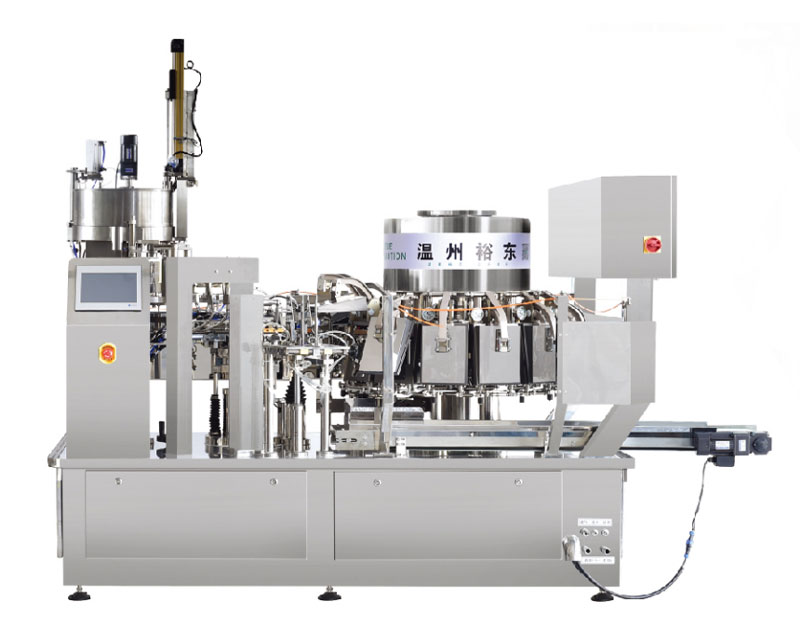
Many cost‑cutting machines claim “high vacuum” but produce uneven seals because the jaw closes too early or the vacuum chamber leaks. A well‑designed automatic vacuum premade pouch machine will have a vacuum sensor interlock that prevents sealing until the target vacuum level is confirmed.
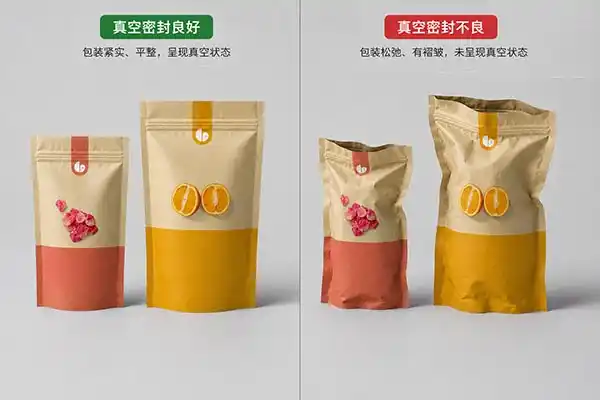
For a deeper understanding of vacuum testing protocols, refer to ASTM F1929— the same principles apply to industrial pouch sealing.
Even the most advanced pouch packaging machine will eventually need jaw cover replacements, heater bands, or vacuum pump oil changes. The difference between a wise purchase and a regret is how easy those tasks are.
Before signing anything, ask these three maintenance questions:
Are common wear parts standard off‑the‑shelf components or proprietary?
Can you access the jaw assembly without disassembling half the machine?
Does the supplier provide a detailed maintenance schedule with video guides?
I once helped a client replace an entire sealing module because the original manufacturer went out of business, leaving no spare parts. That’s an expensive lesson. Stick with brands that publish their parts catalog and have a clear local or regional support channel.
If you want to see how a well‑organized maintenance system looks in practice, explore ELEMOTION’s pouch packaging equipment support documentation. It covers everything from weekly cleaning to yearly pump overhauls — no hidden surprises.
Many buyers focus solely on the sealing and vacuum station, forgetting how pouches get in and out. A mismatch between your upstream filling system and the machine’s infeed conveyor can cause jams every few minutes. Similarly, a discharge that dumps pouches randomly will ruin your downstream checkweighing or cartoning automation.
Check these integration points:
Infeed type – belt, walking beam, or pick‑and‑place. Does it match your current pouch orientation?
Registration sensor – optical or ultrasonic? Needed if your pouches have print marks or die‑cut handles.
Discharge height and speed – can it feed directly into your metal detector or rebagger without a manual transfer?
A practical test: run 500 pouches at rated speed and count how many fall out of alignment before sealing. Anything above 1% mis‑feed is unacceptable for a modern line.
Selecting a pouch packaging machine is a balance of material compatibility, vacuum reliability, changeover speed, maintenance ease, and integration fit. No single machine is perfect for everyone, but following these five tips will help you filter out the ones that promise more than they deliver.
If you’re looking for a proven solution that balances industrial durability with user‑friendly operation, take a look at what ELEMOTION’s pouch packing machine series offers. Their designs focus on quick changeover, straightforward maintenance, and real-world vacuum consistency — exactly the features that matter most on a busy production floor.
Remember, the best time to test a machine is before you buy it. Request a sample run with your own pouches and products. That small step saves months of frustration.

GET A QUOTE