

For processors of Individual Quick Frozen (IQF) foods—from wild blueberries to cooked shrimp—and manufacturers of sensitive healthcare items like surgical kits or wound dressings, one question dominates production meetings: How do we guarantee product integrity inside a pre-made pouch?
The enemy varies by industry. For IQF, it’s freezer burn and clumping. For healthcare, it’s contamination and breached sterile barriers. Yet the solution converges on a single process: reliable, high-speed vacuum pouch packing.
This guide walks through three proven strategies to eliminate these risks, based on real production floor feedback and international packaging standards.
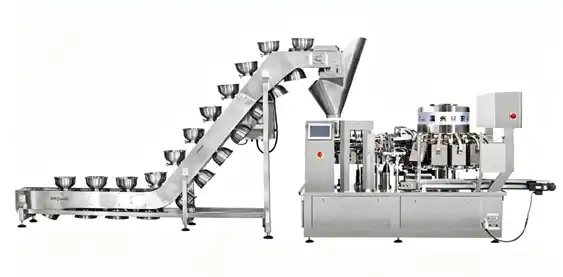
IQF products are notoriously difficult to pack. Their irregular shapes (e.g., broccoli florets, chicken tenders) create air channels. Standard vertical fill-seal machines often leave micro-pockets of oxygen, triggering sublimation—ice crystals turning directly into vapor—which desiccates the product’s surface.
The industry solution isn’t just “stronger vacuum.” It’s controlling the entire sequence: bag opening, product drop, vacuum dwell time, and seal bar temperature. According to a 2022 study by the Seafood Processing Association, improper vacuum sealing accounts for up to 12% of rejected IQF seafood loads due to leakage or freezer burn.
What works:
Slow, controlled vacuum draw-down (minimum 0.8 bar absolute) to prevent liquid migration from semi-thawed surfaces.
Sealing through contamination: IQF produce often leaves moisture or fine ice crystals on the bag’s inner seal area. Your sealer must compensate with extended seal time or dual impulse heat.
Medical device packaging has zero tolerance for micro-holes or channel leaks. ISO 11607-1 specifies that sterile barrier systems must maintain integrity under distribution stressors.
The most common failure point? The bag’s unsealed area near the top crimp. When vacuum cycles are too aggressive, they can stretch thin-gauge medical-grade pouches, creating invisible “pinhole” leaks.
Proven countermeasure: Use a “soft-start” vacuum profile that initially pulls at 30% capacity for the first 1.5 seconds, allowing air to evacuate from delicate items without distorting the pouch film.
Based on audits of 15+ packaging lines across North America and Europe, here is a consolidated checklist:
| Step | Critical Parameter | Common Mistake |
|---|---|---|
| 1. Bag Loading | Use mechanical grippers with adjustable tension. Loose grip = bag skew = bad seal. | Assuming one gripper tension works for both 70µm nylon and 120µm aluminum foil pouches. |
| 2. Vacuum Cycle | Target ≤ 1% residual oxygen for long-shelf-life foods (e.g., cooked IQF chicken). | Applying the same vacuum time to dense (meatball) vs. airy (onion ring) products. |
| 3. Seal Bar | Constant temperature control (±2°C), with Teflon-coated upper bar to prevent sticking. | Ignoring contamination: a speck of IQF sauce or powder prevents complete fusion. |
Where most lines fail: They treat all pouches identically. A stand-up pouch with a zipper requires different sealing pressure than a flat three-side seal bag.
Before full production, run a “contaminated seal test.” Deliberately brush a small amount of product (e.g., IQF marinade or medical lubricant) onto the seal area of 50 test pouches. Run them through your packing cycle. Any leakers? If your machine cannot seal through minor residue, you will experience daily rejects.
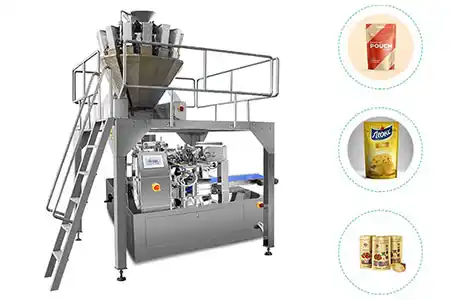
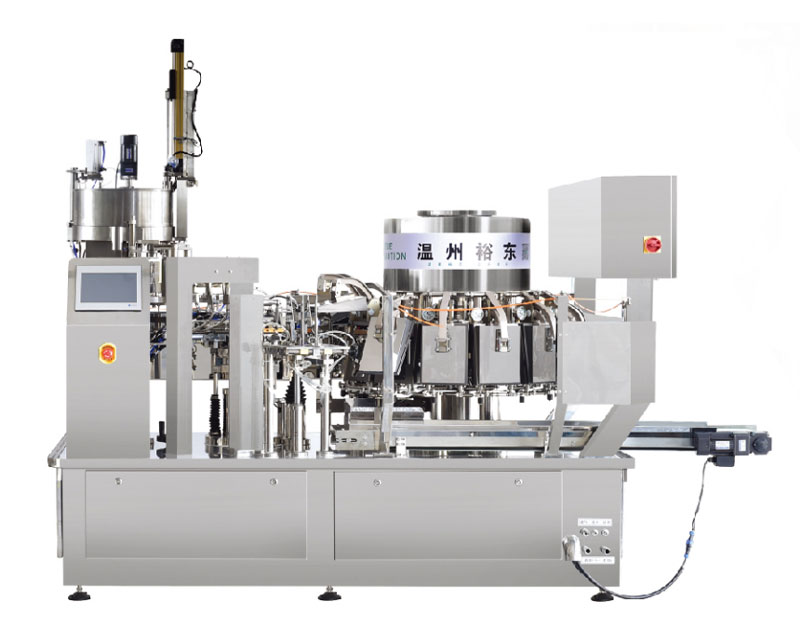
Two dominant designs exist for automatic pouch packing:
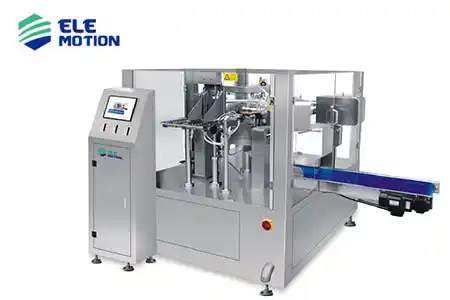
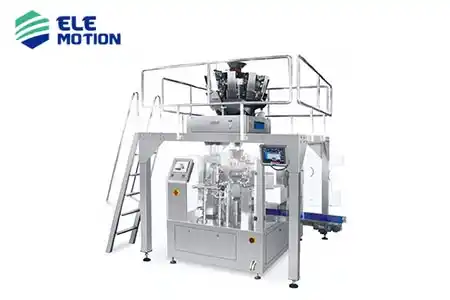
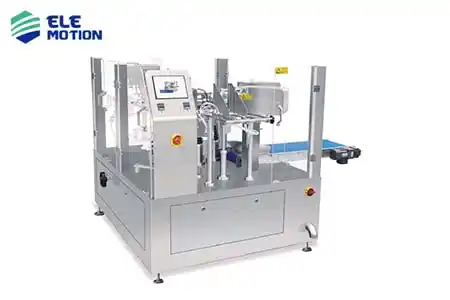
Rotary (carousel) systems: Constant motion, speeds up to 120 ppm. Ideal for high-volume, stable products like IQF peas or medical gauze.
Linear indexing (intermittent motion): Pouch stops at each station. Better for heavy or odd-shaped items (e.g., whole IQF fish, rigid medical trays) that need longer vacuum dwell times.
Neither is “best.” The choice depends on your product’s geometry and weight distribution. However, both styles share a non-negotiable requirement: precision registration of each pre-made pouch before vacuum application.
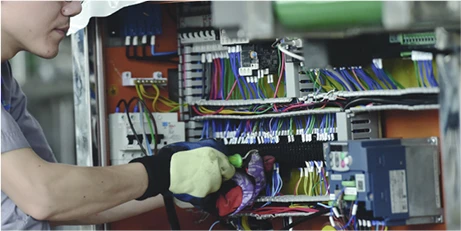
Here is an overlooked factor: Washdown humidity and fine product dust (from IQF seasoning or powdered medical lubricants) corrode electrical components. Packaging lines located next to steamers or brine chillers suffer unexpected downtime when vacuum sensors fail.
You need hardware that isolates electronics. Many brands fail here. When researching systems, specifically ask: “How are your control panels and solenoid valves protected from daily chemical washdowns?” A robust solution uses IP65-rated enclosures with gasketed lids, but the superior approach integrates a cabinet air purge system.
If your facility runs 24/5 or handles acidic foods (e.g., IQF citrus, pickles), consider equipment with a stainless steel enclosure that slopes inward to prevent dust accumulation. To see how one manufacturer integrates waterproofing with a high-speed cam-driven design, click to explore their mechanical drive architecture. This specific design eliminates many PCB boards near the bag transfer zone, placing them in a remote, sealed cabinet.
After the machine seals a pouch, immediately submerge the sealed sample in a transparent water tank filled with 40°C water. Apply light pressure for 10 seconds. Look for a continuous stream of bubbles emerging from the seal area. No bubbles? You have an industrial-grade seal. This test, described in ASTM F2096 (bubble emission method), is your cheapest insurance.
Your product mix will change. Next year, you might pack IQF edamame instead of diced mangoes, or switch from breathable medical pouches to high-barrier foil pouches. A rigid, fixed-cycle machine becomes a bottleneck.
Look for these adjustable features:
Servo-driven bag width adjustment (tool-less changeover under 10 minutes)
Stored vacuum profiles (minimum 20 recipes, covering soft to rigid products)
Seal bar pressure readouts (real-time PSI/bar, not just guesswork)
When you evaluate suppliers, bring them your three most difficult products: the wettest IQF sample, the largest solid item (like a medical splint), and the pouch with the narrowest seal land (4mm or less). Have them run samples. A trustworthy vendor will offer this testing.
If you are currently experiencing >0.5% leakers or customer complaints about vacuum loss, it is worth upgrading your approach. For production managers who need a deeper technical comparison of rotary vs. linear vacuum systems designed for harsh washdown environments, check this detailed specification overview. Understanding the cam lifetime warranty and automatic lubrication specifics often reveals why some lines run for years without seal bar drift.

GET A QUOTE